PMC 2026

October 6 | 9:30 am October 8 | 6:00 pm

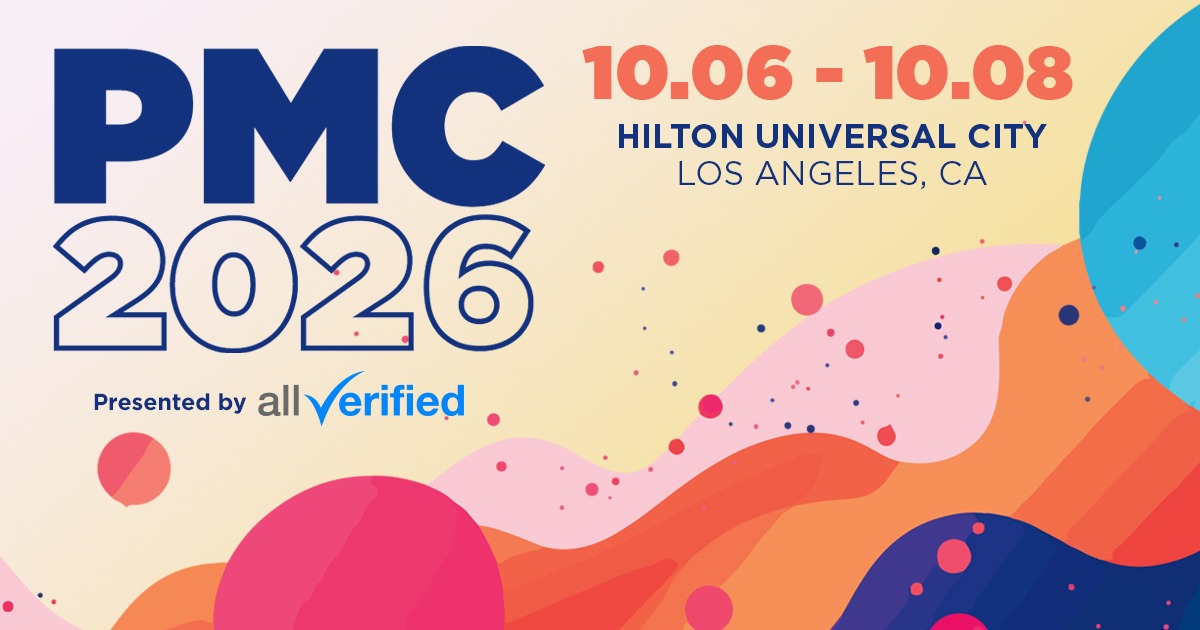
The PMA’s Production Music Conference is the international gathering place for the production music community, and is scheduled for October 6-8, 2026 at the Hilton in Universal City, Los Angeles, CA.

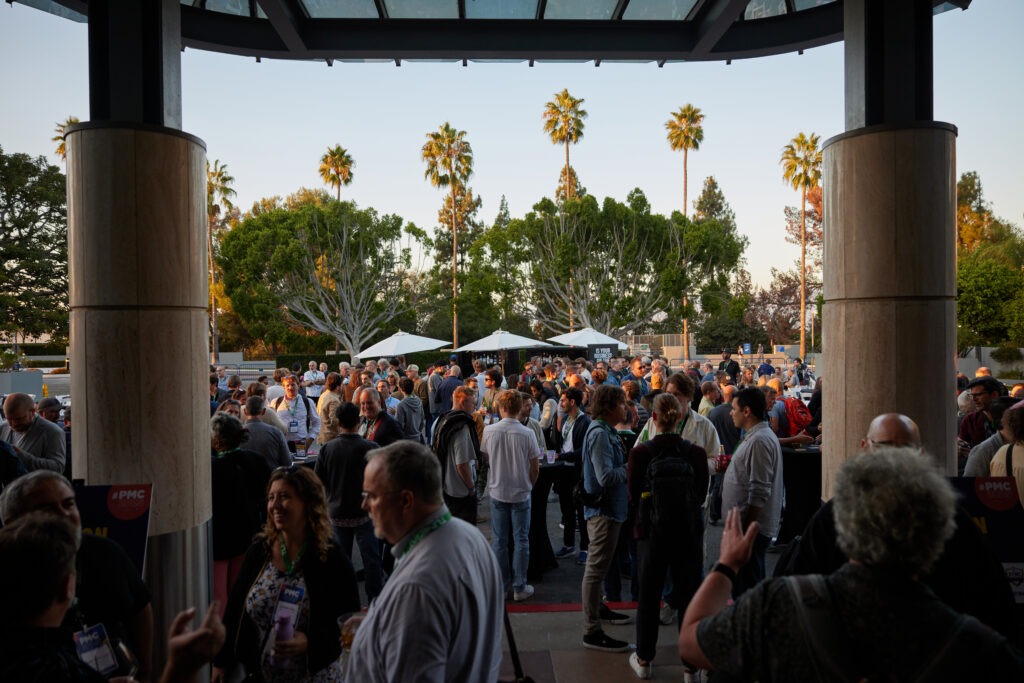
This is an in-person event, with panel programming streamed live both within the virtual conference platform and within the conference app. Attendees represent 80+ countries, ranging from publishers to composers, technology partners and financial partners, and everything in between. The PMC provides networking and educational opportunities to further advance the value of production music and the industry’s community.

Tickets for PMC 2026 are officially on sale now through October 1st!

Student Discount

Are you a student interested in attending PMC 2026? Upload your ID and class schedule or most recent transcripts as proof of eligibility for a special discount.


Need a place to stay for PMC 2026?

We’re returning to the Hilton in Universal City, Los Angeles. Our exclusive group rate is available now for a limited time and rooms do sell out.

Prefer to call? Contact the Hilton In-House Reservations Department at 818-623-1434 (7am–7pm PT daily) and reference Group Code: PMA26

The deadline to book your discounted room rate is Wednesday, September 2, 2026.


Still have questions on PMC 2026?
PMA Virtual Networking Session / Membership Meeting – April 2025

April 29, 2025 | 10:00 am 11:00 am

Open to active PMA Members ONLY. Those interested in membership can visit www.pmamusic.com/join to learn more about your options.

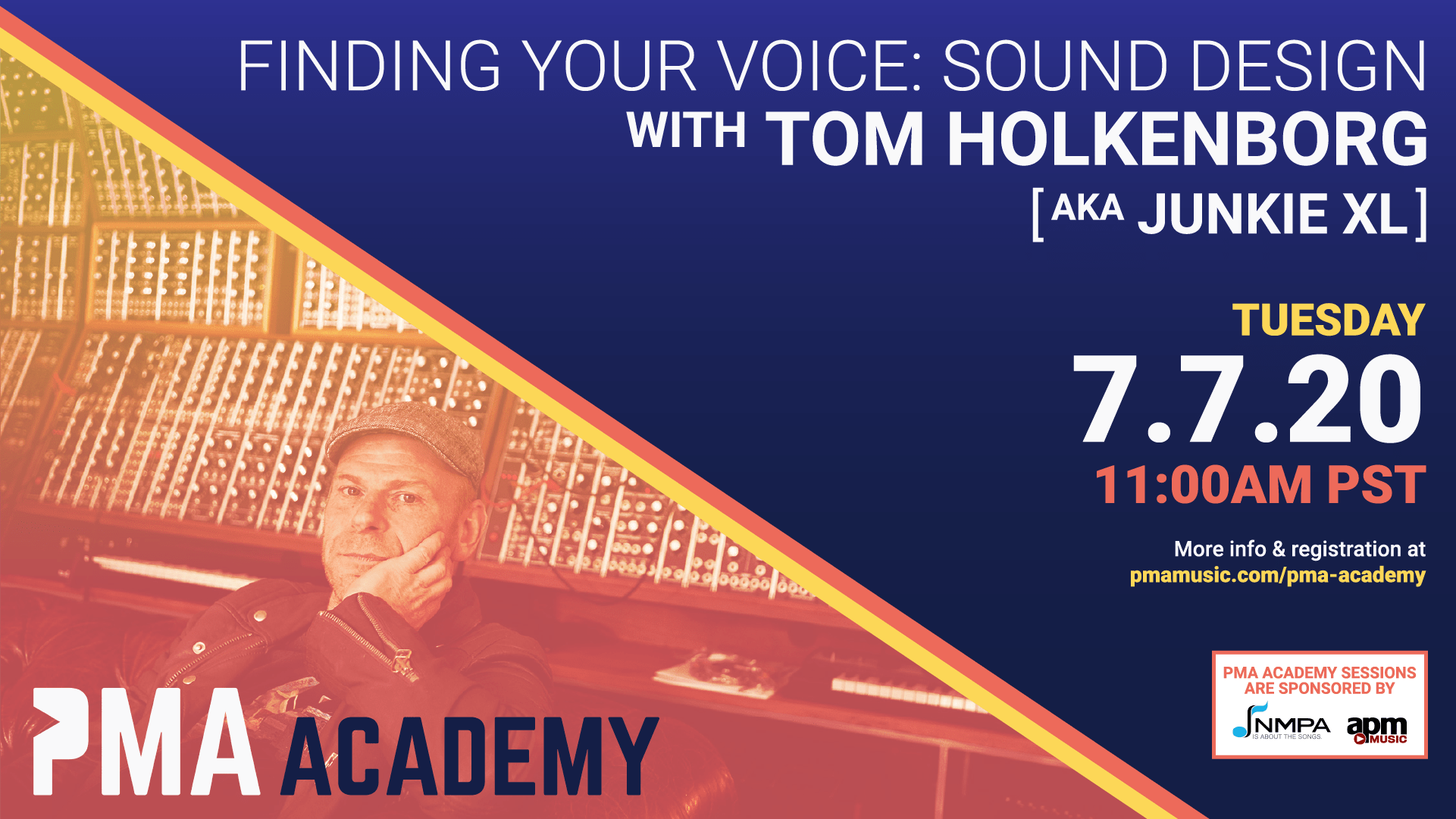
PMA Academy Series – Finding Your Voice: Sound Design with Tom Holkenborg [AKA Junkie XL]

This very special tutorial is led by one of the most in-demand film composers in Hollywood: Tom Holkenborg (aka Junkie XL).

If you’ve ever seen films like Mad Max: Fury Road, Deadpool or Alita: Battle Angel (just to name a few), you’ve no doubt felt the impact of Tom’s mastery of sound design. Known within the industry as a “full-contact composer”, one of Tom’s biggest calling cards is that he does so many things himself—including creating vast sound libraries all his own for nearly every project he works on.

This webinar covers Tom’s unique process of sound design; a process that’s helped craft one of the most recognizable and signature sounds in modern day film scoring. The goal? Getting you informed and inspired to craft your own unique voice as you grow as composer and producer.

Topics include sampling, sound exploration, building your own libraries, modular synthesis and much more.

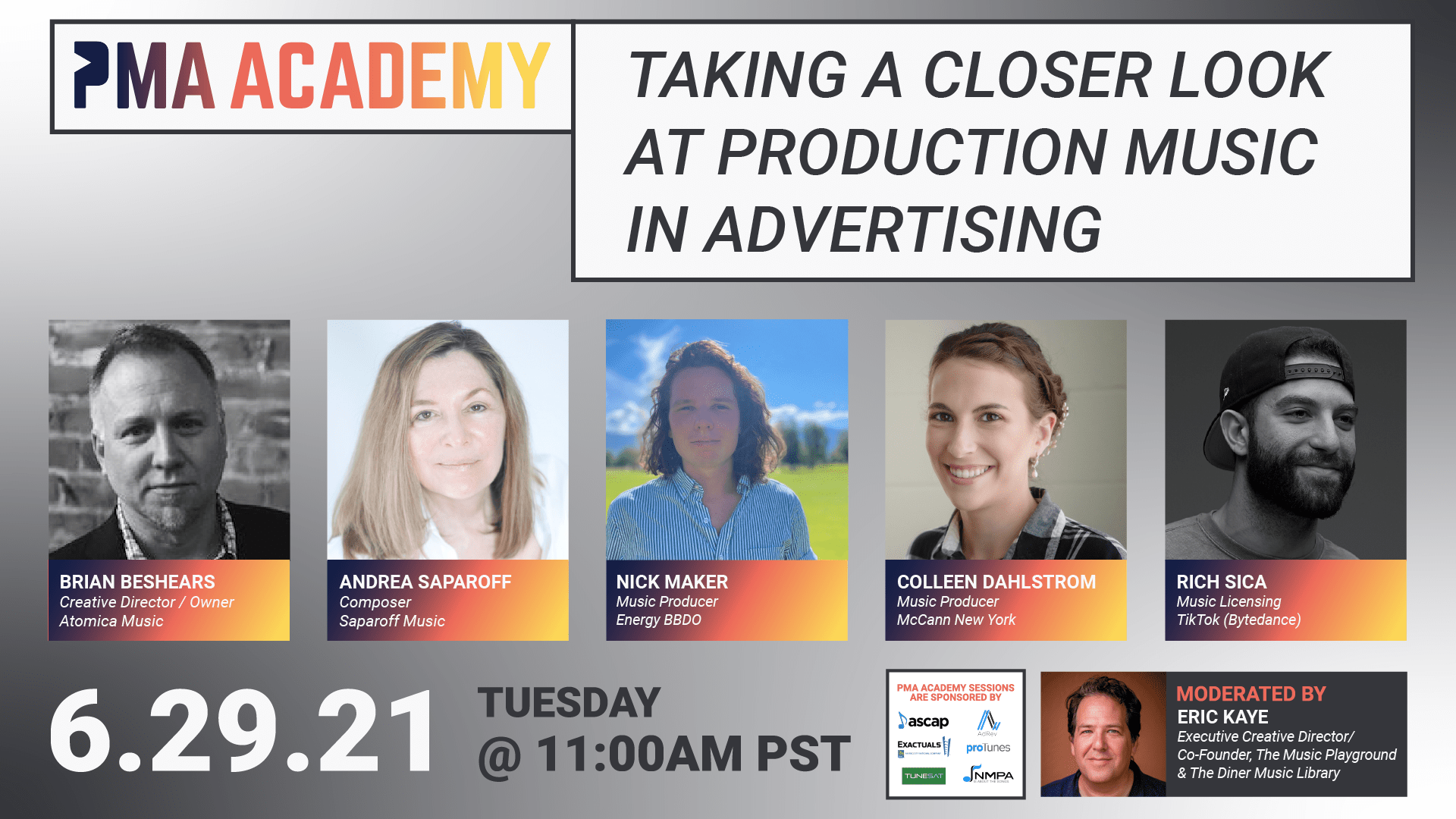
PMA Academy Series – Taking a Closer Look at Production Music in Advertising

All media has been impacted with the expansion of digital services, and the advertising industry is no exception. This panel will dive into how these changes relate to production music usage, what’s changed in this sector of the industry and what the future looks like for production music in advertising.

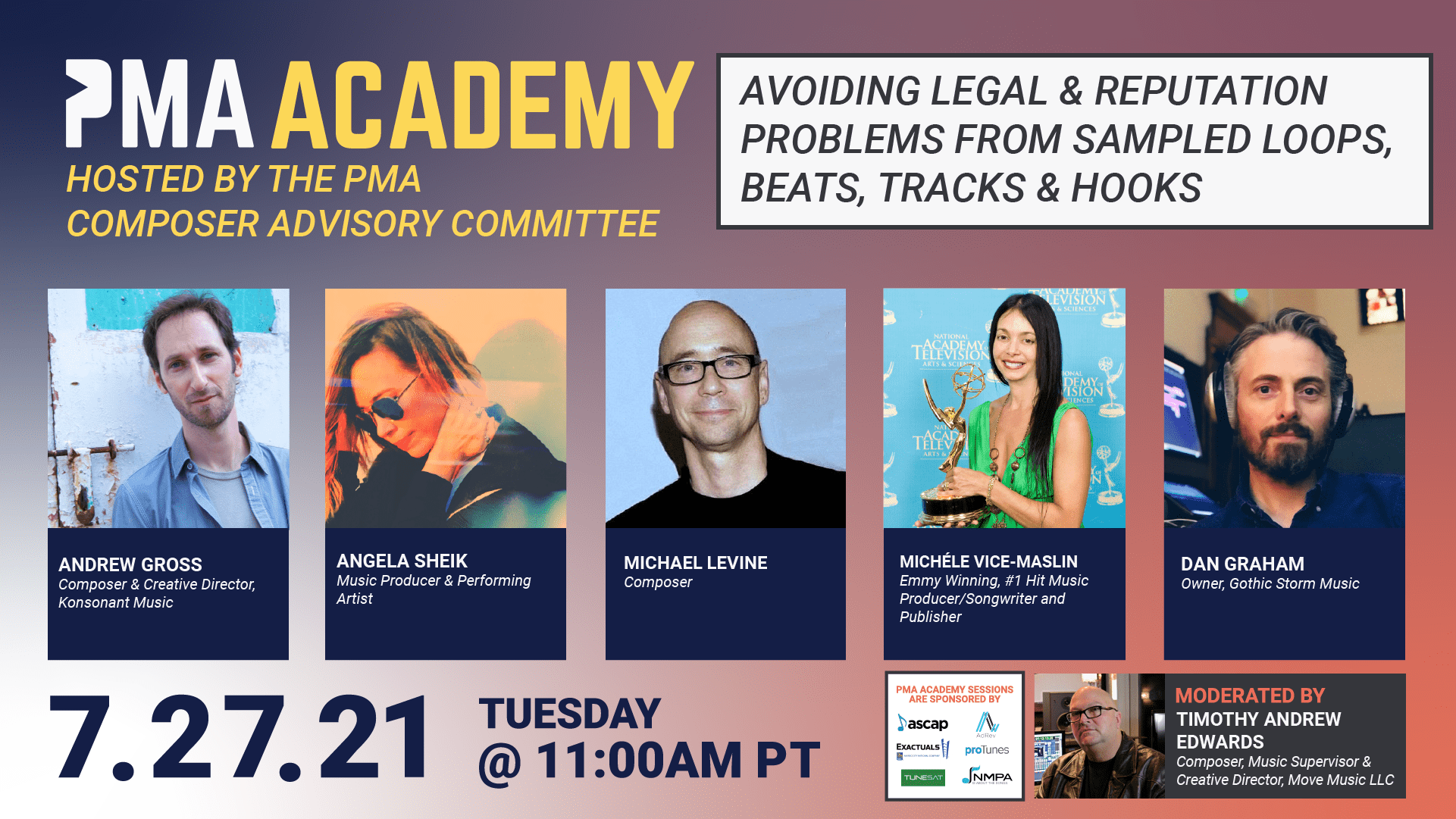
PMA Academy Series – Avoiding Legal & Reputation Problems From Sampled Loops, Beats, Tracks & Hooks

“Does this work include samples, yes or no?“

Have you ever seen this question in a contract or submission form? Has it ever given you pause? Most production music composers realize that they can’t sample unlicensed music from other recordings. And, they know that they’re usually safe using sampled instruments from their favorite piano and orchestral libraries. However, many don’t know about the serious problems from using even LICENSED pre-composed loops, beats, tracks and sample packs which have recognizable hooks and phrases, for example vocals, instrument phrases and complete grooves. Not only do some sample library End User License Agreements (EULAs) outright prevent many sync uses, but even where there are no legal restrictions automatic tune recognition software is triggering copyright claim clashes between different publishers, causing infringement accusations and reputation damage for composers and publishers. They are also unpopular with publishers and clients because they lack the originality that they expect. In response, production music publishers are increasingly banning these type of sample uses, so it’s important to know the facts.